
Wills & Trusts Attorney in St. Paul, Minnesota
Your will and trust decide who inherits, who raises your children, and who steps in when you can’t — on your terms, in writing, instead of a court’s.
A will and a trust are documents that put your wishes in writing. A will is about authority as much as wealth — it names who raises your minor children, who manages your estate, and who receives what you leave behind. A revocable living trust goes further: it takes effect during your lifetime, can keep your estate out of probate, and lets you control exactly when and how the people or organizations you love receive what you’ve built.
In Minnesota, an estate generally only needs to go through probate when the probate-able assets exceed $75,000 and/or include real estate — so part of planning is simply knowing whether probate is a concern for you. A trust is one way to avoid probate and to provide continued management for children, a partner, or a family member with special needs — but it isn’t the only way. Beneficiary designations, transfer-on-death deeds and accounts, and how your property is titled can accomplish probate avoidance, sometimes at a lower cost. Our role is to help you find the most efficient, cost-effective path to meet your unique goals and needs— which for some families means a will paired with well-coordinated beneficiary designations, and for others means a trust. We’ll help you determine which approach is most aligned for you.
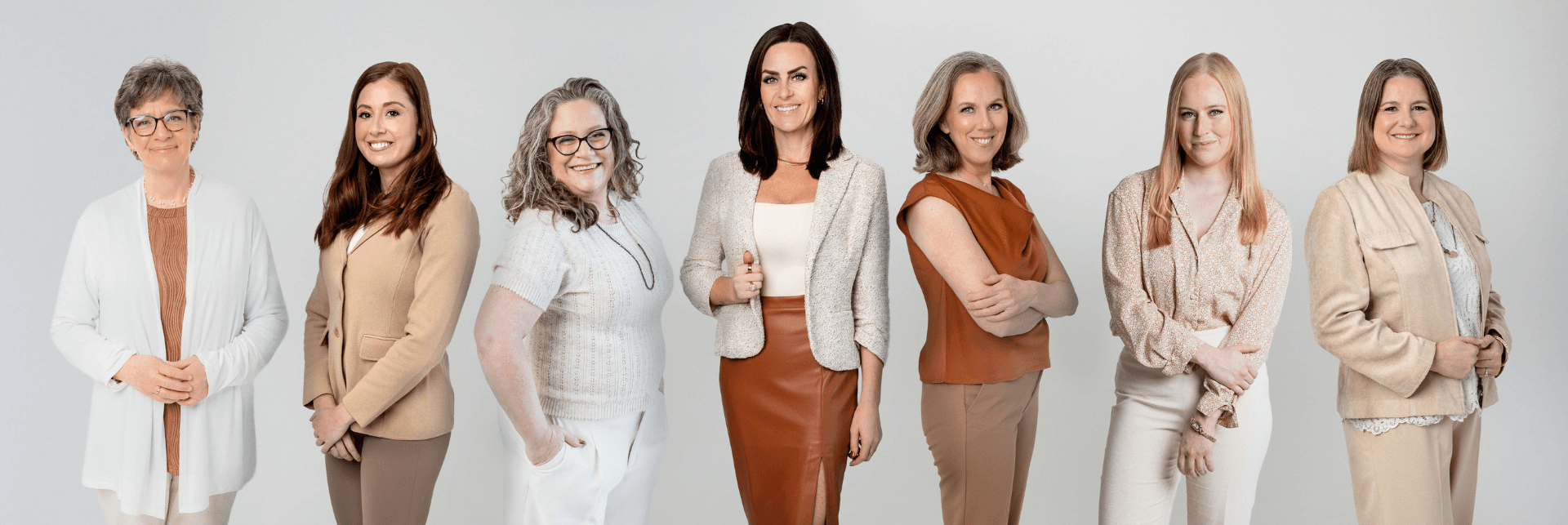
Schromen Law is an all-women estate planning firm in St. Paul. We draft wills and trusts around the way your family actually looks — for women putting a first plan in place, divorced and remarried parents protecting their children’s inheritance, same-sex couples and chosen families making their wishes legally airtight, single mothers naming guardians and trustees, and women business owners whose legacy is woven into a company they built.
We work on flat fees scoped to the complexity of your life, confirmed in a free consultation before any work begins — so there are no surprises. Your work with us leaves you with a signed plan and the certainty that your decisions, not a default rule, are the ones that hold.
What’s included in the estate planning process?
- A free initial consultation to identify the most efficient, cost-effective approach for your goals
- A plan scoped to your life — which may include a will, a revocable living trust, or both
- Comprehensive, legally enforceable documents drafted to Minnesota law
- The decisions that matter, built in: who inherits, who raises your children, and who manages your estate if you can’t
- Beneficiary coordination and audit, so your accounts and your documents actually agree
- A signed, executed plan — with ongoing review when your life changes
Documents your plan may include
- A will, a revocable living trust, or both (a trust is paired with a “pour-over” will)
- Financial power of attorney
- Minnesota health care directive
Who this serves?
- Young families putting their first plan in place
- Single individuals, with or without children
- Married and partnered couples planning together
- High-net-worth individuals and couples planning around Minnesota and federal estate tax
- Women navigating divorce, remarriage, or starting over
- Same-sex couples, queer families, and chosen families
- Single mothers planning on their own terms

When You Should Update Your Will or Trust in Minnesota
After Marriage
A new spouse doesn’t automatically inherit the way you might assume — it is important to update your will, trust, and beneficiary designations to reflect your combined life.
After Divorce
Minnesota revokes some ex-spouse provisions automatically but not all — it is crucial to update your will, trust, beneficiaries, guardianship nominations, power of attorney and health care directive to close every gap.
After a New Child (Biological, Adopted, or Step-Parented)
Add the child to your plan, nominate a guardian, and utilize trust planning so any inheritance is managed for them rather than handed over outright at a young age.
After a New Grandchild
Update your trust if you want to provide for grandchildren directly or set aside specific gifts.
After Buying a Home
Real estate is often the largest asset that lands in probate — appropriate planning can keep your home out of court and pass it the way you intend.
After Starting or Selling a Business
Coordinate ownership, succession, and buy-sell terms with your estate plan so the business doesn’t unravel if something happens to you.
After Moving to Minnesota From Another State
Documents drafted elsewhere may not align with Minnesota law — have your plan reviewed for state-specific validity and tax treatment.
After a Significant Inheritance or Asset Event
A meaningful change in net worth can change the right planning structure and the tax picture; revisit your plan.
Common Situations Our Wills & Trusts Clients Navigate
- Young families in a first marriage, naming guardians and putting a foundational plan in place for their children
- Single individuals without children deciding who inherits, who makes decisions, and who settles their affairs
- High-net-worth individuals and couples planning around Minnesota and federal estate tax
- Divorced parents protecting their children’s inheritance from a former spouse’s control
- Unmarried and chosen-family couples securing each other’s inheritance and decision-making rights
- Single parents planning for guardianship and incapacity at the same time
- Blended families coordinating inheritance across biological and step-children
- Women business owners whose estate is woven into a company they built
What Happens Without a Will or Trust in Minnesota
When there’s no estate plan in place, Minnesota’s intestacy statutes decide who inherits — and it follows bloodlines, not your relationships. A court, not you, appoints your children’s guardian. A minor’s inheritance is handed over in a lump sum. An unmarried partner can be left with nothing, and an ex-spouse can remain the listed beneficiary on accounts that the law doesn’t automatically update.
None of that has to be your story. Your intentions just have to be documented.
Wills & Trusts Frequently Asked Questions
Schromen Law helps clients identify the most efficient, cost-effective way to meet their estate planning goals and concerns — starting with the questions below.
A will takes effect only after death and may need to be administered through Minnesota probate court, depending on the assets of the estate.A revocable living trust takes effect during your lifetime, can help avoid probate, lets you manage assets while you’re alive, and can provide continued management for children, a partner, or a family member with special needs. A trust is one tool for avoiding probate, not the only one — beneficiary designations, transfer-on-death deeds, and how property is titled can also avoid probate, sometimes more cost-effectively. The right plan depends on your assets and goals, and Schromen Law’s role is to help you find the most efficient, cost-effective approach. We are an all-women estate planning firm in St. Paul focused on empowered planning for women, queer families, and nontraditional families.
Yes. A will is about authority more than wealth. It is how you nominate a guardian for your minor children, name a personal representative to manage your estate, and direct who receives your belongings, accounts, and pets. Without a will, Minnesota’s intestacy statutes (Minn. Stat. § 524.2-101 and following) decide for you — and the default rules rarely match what most people actually want.
Partly. Minnesota’s revocation-on-divorce statute (Minn. Stat. § 524.2-804) automatically revokes most provisions in favor of a former spouse in your will and many revocable beneficiary designations once the divorce is final. But it does not cover everything — federal retirement accounts governed by ERISA (such as a 401(k)) are not auto-revoked, and remarriage and account-specific rules can complicate matters. The reliable fix is to affirmatively update your will, trust, and every beneficiary designation. Schromen Law reviews all of it in a single post-divorce audit.
Minnesota’s intestacy laws give nothing to an unmarried partner — without documents, your assets pass to blood relatives, not the person you share your life with. To protect each other, unmarried and chosen-family couples typically use a will, a revocable living trust that names the partner explicitly, beneficiary designations on accounts, and a financial power of attorney and health care directive. Naming your partner clearly in each document is what gives the arrangement legal force.
Often, yes. If you leave assets directly to a minor child, a court usually appoints someone to manage that money — and the surviving parent (your ex) is frequently first in line. A properly drafted trust or will lets you name the person you choose, set the ages and terms for distributions, and keep your ex out of the management role even when they retain physical custody. This is one of the most common reasons divorced parents come to Schromen Law.
Without a trust, a minor cannot legally receive an inheritance outright. A Minnesota court typically appoints a conservator to oversee the funds until the child is of age — at which point the entire balance is handed over in a lump sum, no matter how large or how ready the young adult is. A trust can avoid that court supervision, name a trustee you trust, and let you control when and how your children receive what you leave them.
Yes — to both, with one important distinction. Anyone can be named a beneficiary in a will, trust, or beneficiary designation regardless of biological or legal relationship, including a non-biological parent, partner, stepchild, or chosen-family member. You can also nominate a non-biological parent as the guardian of your minor children in your will, and a Minnesota court gives that nomination significant weight — though the court makes the final appointment based on the child’s best interests, and a surviving legal parent generally has priority. What neither step does on its own is establish legal parentage. If you want a non-biological family member to hold full parental authority during your lifetime, that usually requires additional steps such as a parentage judgment or second-parent adoption alongside the estate plan.
Schromen Law works on flat fees scoped to the complexity of your life and the documents you need. Factors include asset structure, family configuration, business ownership, and whether a trust is involved. Your exact fee is confirmed during a free consultation before any work begins, so there are no surprises.
